Pete Pearson
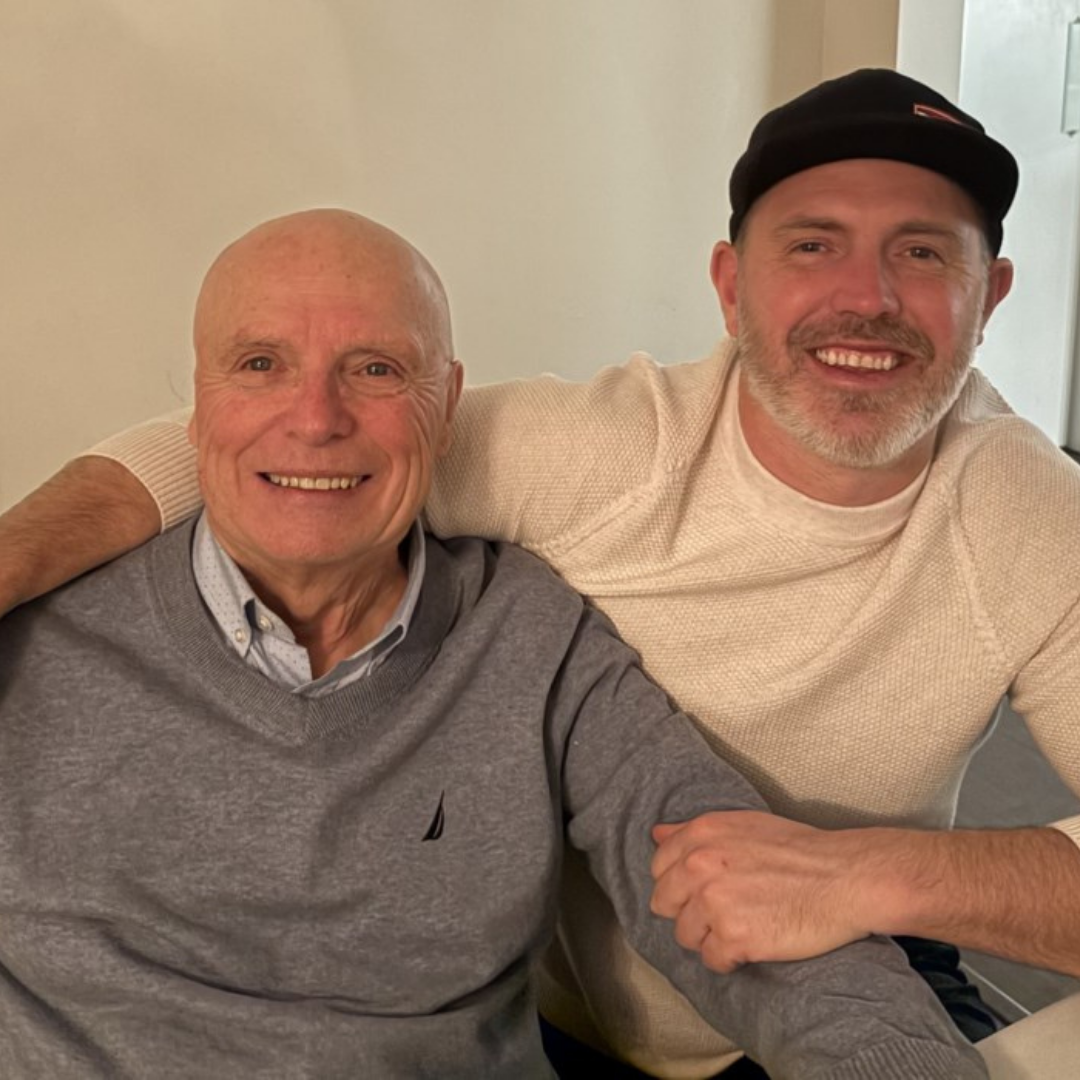
Pete Pearson, known locally as Pistol Pete suffers from terminal idiopathic pulmonary fibrosis, a chronic lung disease that will eventually suffocate him. To combat the extreme anxiety, Pistol Pete and his doctor applied for access to psilocybin-assisted therapy through the Special Access program. After waiting 11 long months Pistol Pete finally got a response from Health Canada, it was a no. This pushed Pete into a dark place which made him decide to apply for MAID. Pete was approved for MAID in only 3 weeks he was approved. The government was okay with killing him but not with him taking a mushroom that had the opportunity to drastically improve his quality of life. Pistol Pete’s story is a testament to how backwards Canadian bureaucracy is.
Kristine Porter

Instead of a straight line to care, Porter found herself shuffled between legal pathways. She first sought a Section 56 exemption and was told she needed to apply through the Special Access Program instead. What should have been a standard medical request turned into a procedural maze. The delay became so severe that legal action had to be taken simply to force the government to issue a decision. Once that pressure was applied, approval came quickly. The speed of the eventual response only sharpened the sense that the earlier waiting was not inevitable. It had been imposed.
What makes Porter’s story especially moving is that, once she finally received treatment, the result was deeply personal. She was brought back to buried childhood pain; the medicine opened a door to trauma she had long repressed and allowed her to heal rather than escape. Currently, her depression is in remission, and she no longer needs antidepressants. Kristine’s case shows that letting doctors do their jobs saves lives.
Gordon Hurley
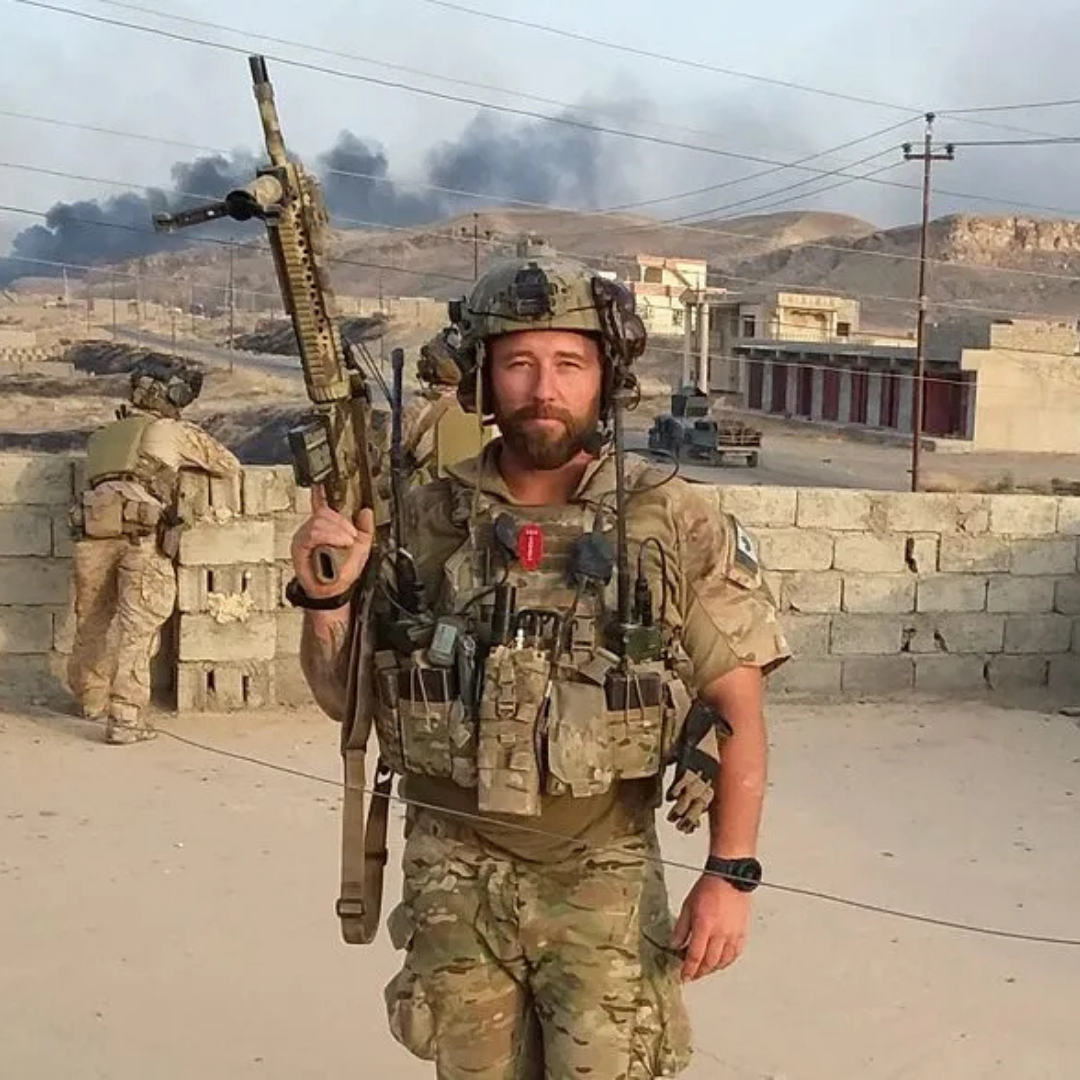
Master Corporal (Retired) Gordon Hurley is a fifteen-year Canadian Armed Forces veteran. Gordon spent half his service as a light infantry airborne reconnaissance patrolman, and the other half as a special operator and joint terminal attack controller. He has had a combined 11 surgeries during and post service, along with a litany of mental health issues that come with combat operations such as PTSD, depression, substance use disorder, a suicide attempt, and suicidal ideation. Using psychedelics has helped heal Gordon, but to obtain the medicine that is helping him, he is forced to travel away from his home to Mexico to receive treatment. Psychedelics have helped Gordon reach a point where he has been able to advocate for other veterans in similar situations, speak on Parliament Hill to advocate for veterans, and even create his own clothing brand.
Josh Veinotte

Master Corporal (Retired) Josh Veinotte served 14 years in the Canadian Armed Forces, enrolling in the Regular Force at 17 years old and deploying on his first combat tour at 21. When he returned home from his first deployment, he struggled with the myriad symptoms that result from post-traumatic stress disorder. He actively sought help with his mental health; however, conventional treatment methods proved to be ineffective, and eventually in December 2016 he released from the Canadian Armed Forces.
After his release, he was faced with a new set of challenges that soldiers must navigate as they transition to civilian life, all while continuing to battle the symptoms of post-traumatic stress disorder. Following in depth discussions with clinicians and others who had seen positive benefits, Josh decided to try psychedelics in a medicinal setting.
His personal remarks on the experience include a definitive shift in perspective, feeling peace for the first time in 15 years, an overwhelming sense of gratitude for the present, and a deep feeling of reconnection with himself as well as those he had drifted away from. This experience allowed Josh the opportunity to reframe his outlook on life. Josh credits the medicinal properties of psychedelics and integrative therapy, noting their ability to consolidate and expedite processing of traumatic events. Compressing what could take years into a matter of hours.
Since then, he has earned a cybersecurity analyst diploma, has engaged in veterans and mental health advocacy work, as well as carpentry and yoga teacher training. He hopes his story can serve as a positive example for others battling with their mental health.
Reverdi Darda, RN, BScN

"Regulating psilocybin would be a game changer for Canadians who need this care. The teams are built. The expertise is here. This bill matters because we are ready."
Rev also serves as Board Chair of MAPS Canada and believes Canadians should not have to navigate unnecessary administrative barriers before accessing life-changing care. She believes thoughtful policy reform grounded in evidence, safety, and clinical experience is essential to the future of mental healthcare in Canada.
Do you like this page?